
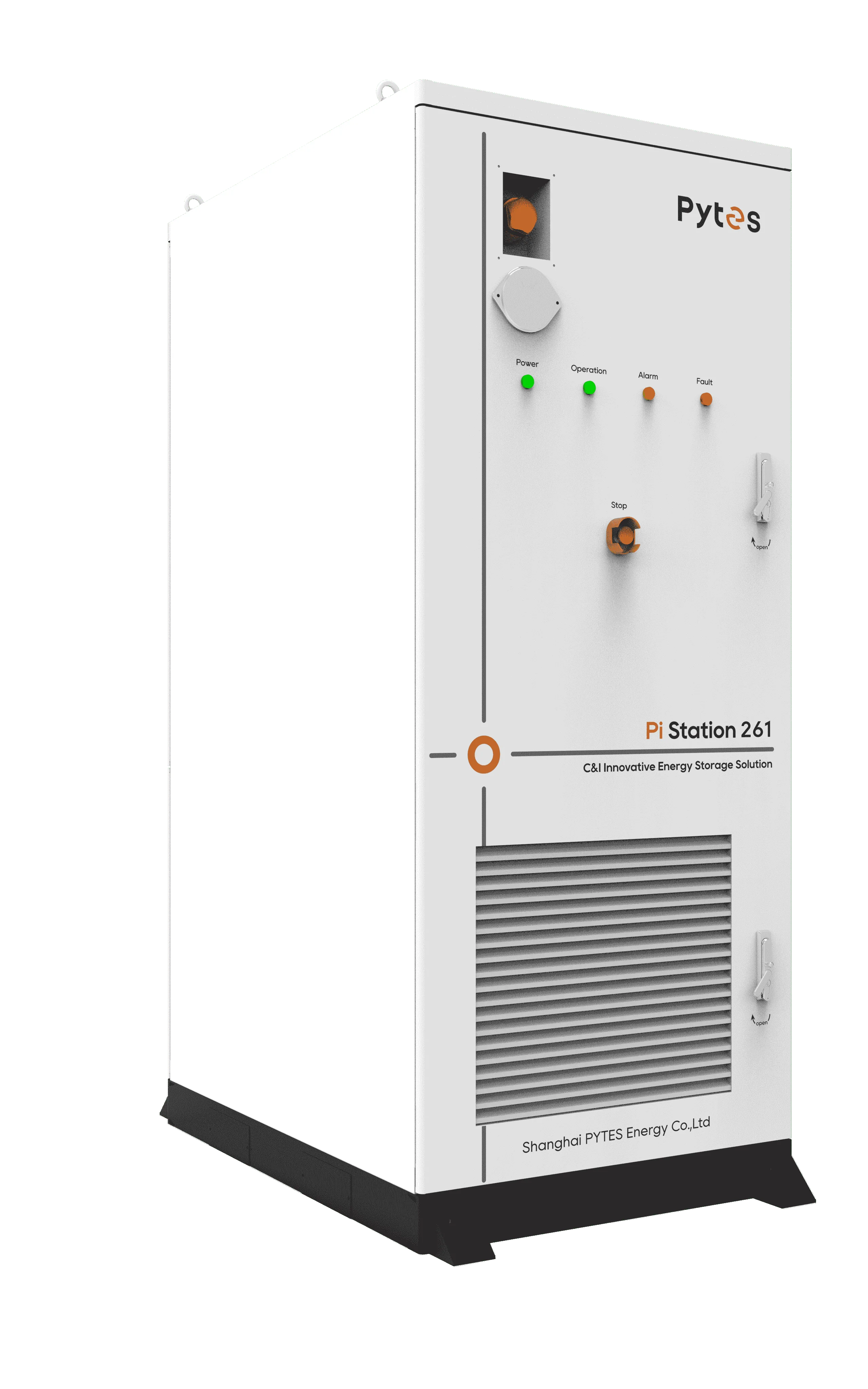
The facility had relatively stable base consumption, but simultaneous equipment startup created several short demand peaks during each shift. These peaks increased the load at the grid connection and limited expansion of production areas.
Analysing the load profile
The project began with measurements at sufficient time resolution. Monthly meter totals could not show peak duration or shape, so actual power graphs were required.
The analysis showed that the site used less than its available power for most of the day. A battery could therefore charge during lower demand and supply energy during short peak periods.
The role of storage
The ESS controller monitors power at the grid connection. As demand approaches the configured limit, the battery supplies the difference. Once the peak ends, charging resumes according to the operating schedule.
The control strategy considers:
- the maximum permitted grid connection power;
- expected peak duration;
- required reserve state of charge;
- priorities during a grid outage;
- available solar production.
Backup as an additional function
Besides peak management, the system supports selected equipment during short outages. Automation, communications, servers, and processes that cannot stop safely are part of this group.
Backup affects minimum state of charge because some capacity remains unavailable for daily peak management. The balance between economic operation and resilience follows the facility’s priorities.
Outcome
The ESS reduced short demand peaks at the grid connection and created an energy reserve for critical processes. It did not replace energy-efficiency work: some equipment schedules were also adjusted so battery life was not spent on peaks that could be prevented operationally.