
Across many African markets, commercial buildings operate in difficult energy conditions: unstable grids, frequent outages, and high diesel generator costs. For apartment buildings, power instability affects resident comfort, operating budgets, and daily building management.
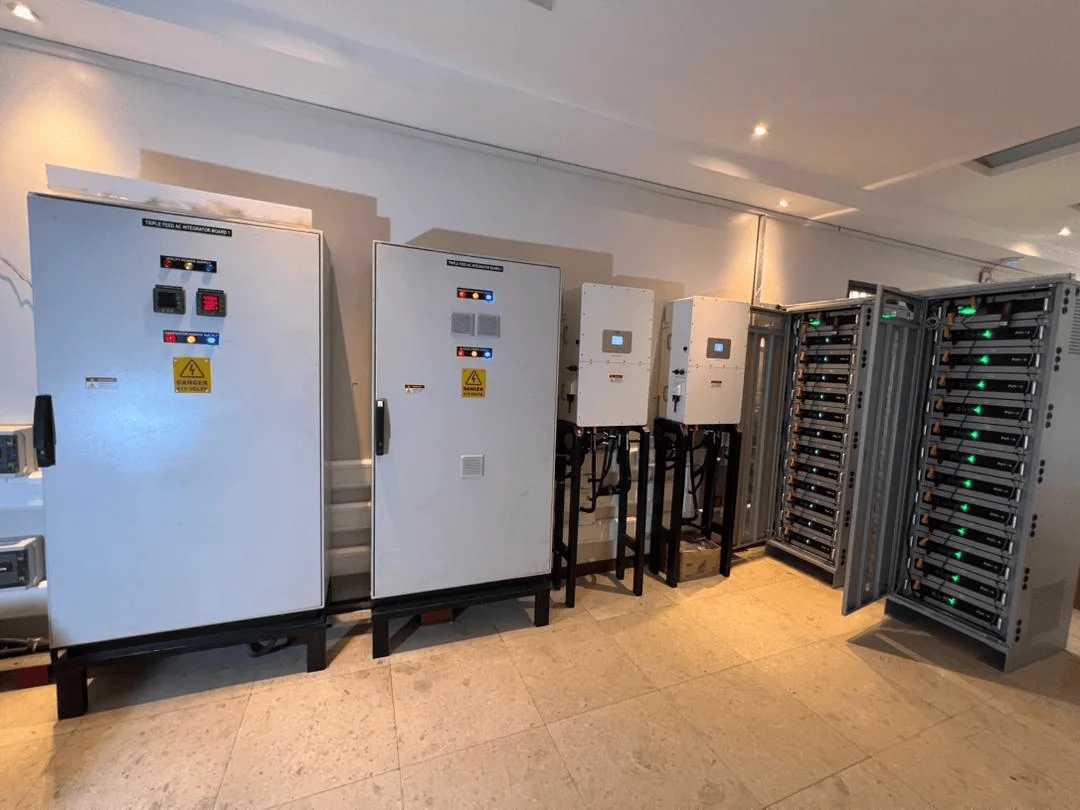
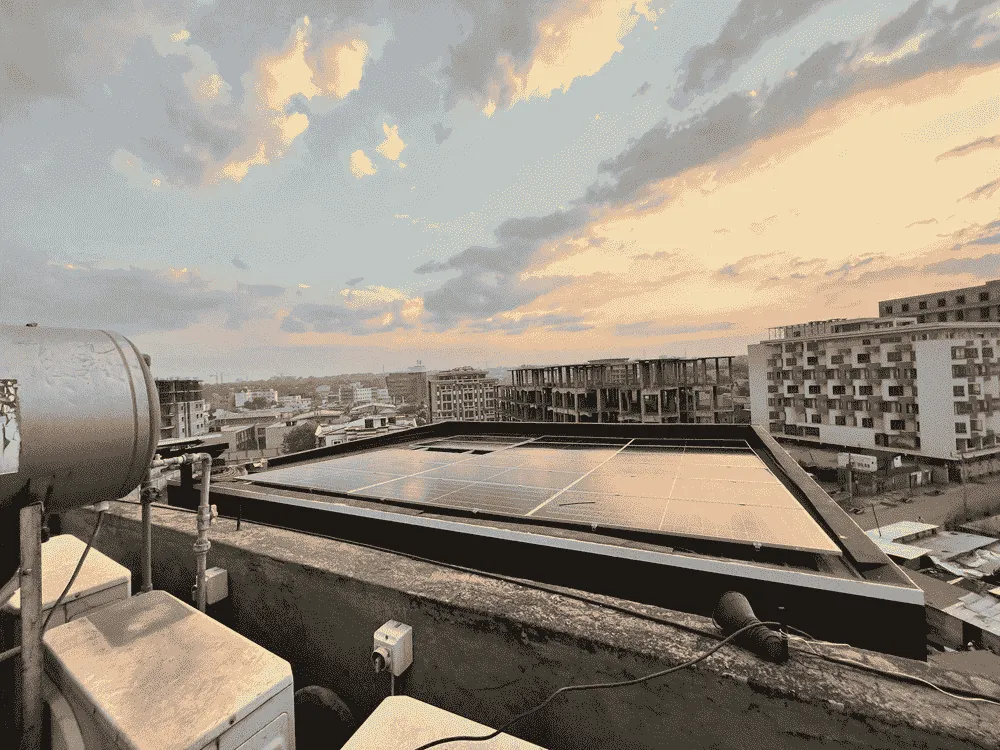
Good Living Apartment in Juba, South Sudan, adopted a commercial hybrid solar energy storage system to improve reliability and reduce dependence on diesel generation. The project combines rooftop solar, hybrid inverters, and Pytes high-voltage battery storage.
Project overview
The project was installed at Good Living Apartment on Theo Road, Thongpiny, Juba. It was delivered as a commercial hybrid solar ESS by GRIT Engineering Ltd.
The system configuration includes:
- 67.04 kWp rooftop solar array;
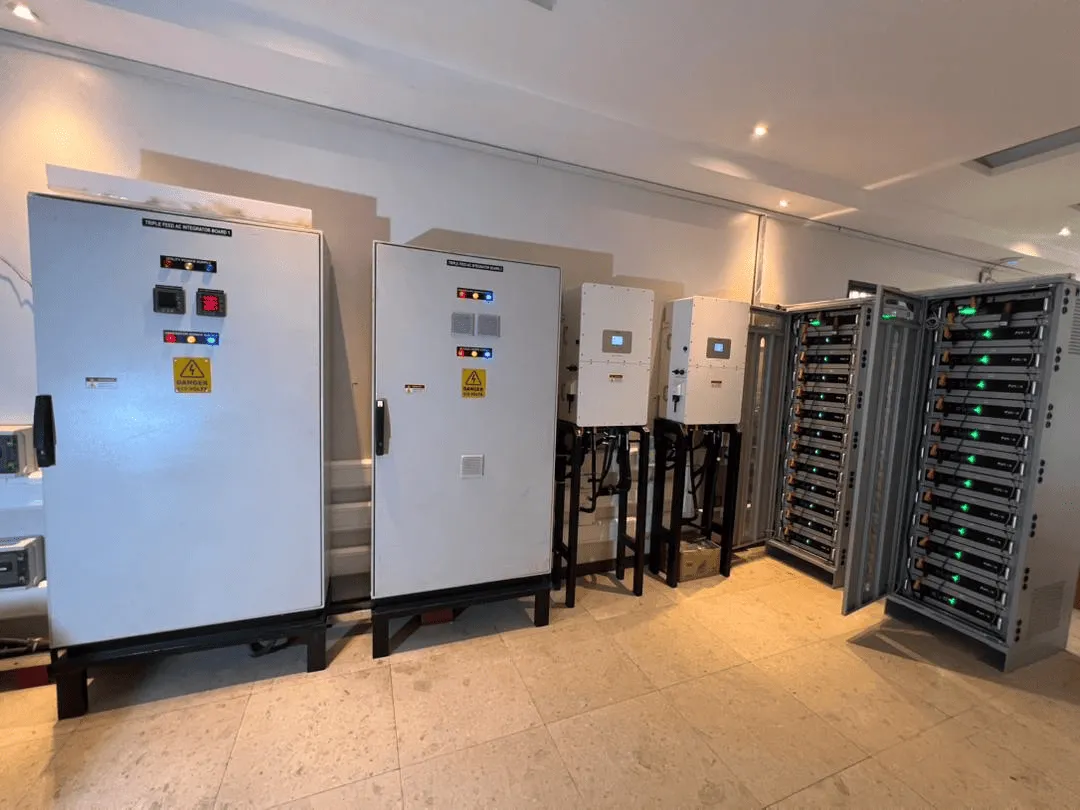
- 2 x DEYE 50 kW hybrid inverters;
- 24 x Pytes HV48100 high-voltage LFP battery modules;
- 122.88 kWh of total battery capacity;
- 2 battery cabinets, each with 1 BCU and 12 BMU units.
The modular cabinet architecture simplifies installation and supports future expansion, which is valuable for commercial buildings with evolving load requirements.
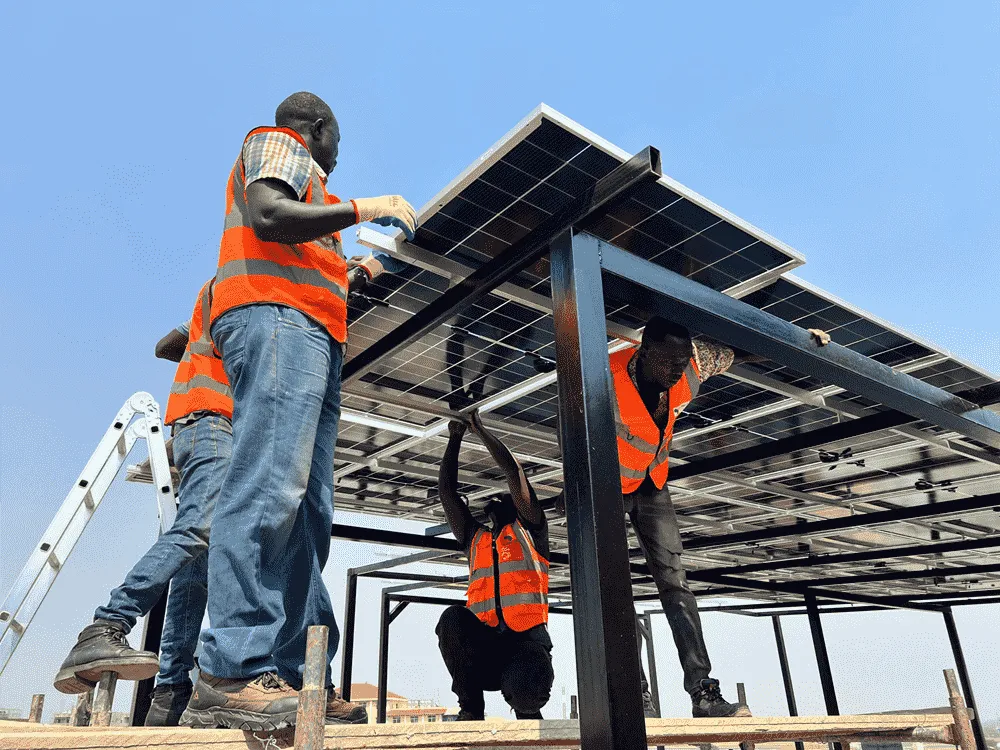
Installation highlights are also available on YouTube.
Solving power instability in Juba
Commercial and residential operations in Juba often face rolling blackouts, power rationing, volatile diesel supply, and high generator maintenance costs. These conditions make energy planning difficult and increase operating risk.
By combining solar generation with Pytes high-voltage storage, the project reduces total diesel dependence and improves daily power availability. Excess solar energy can be stored during the day and used later for night-time or low-generation building loads.
The system supports three practical objectives:
- reduce exposure to fuel shortages and diesel price volatility;
- provide stable power for residents and essential building infrastructure;
- maximize solar self-consumption to reduce operating costs.
Why HV48100 was selected
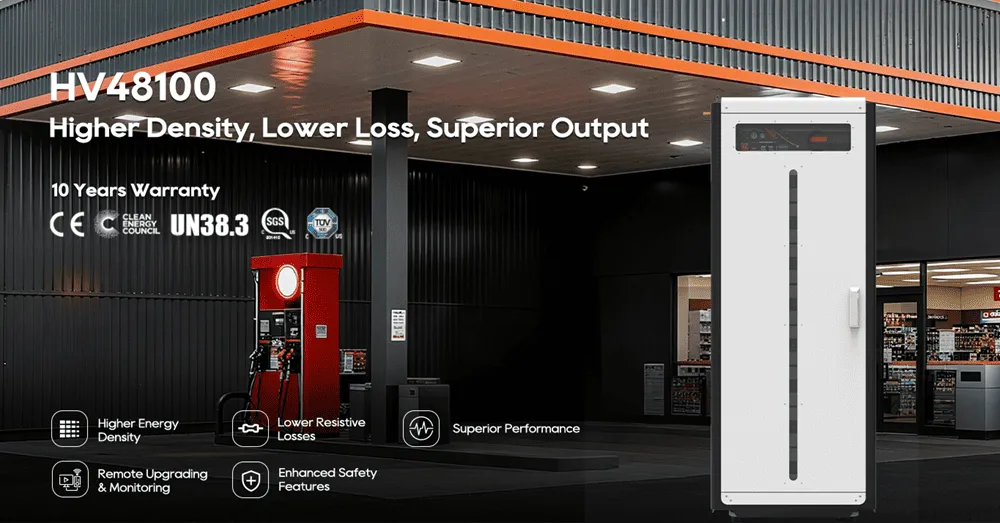
The Pytes HV48100 was chosen for its stable high-voltage architecture, modular scalability, and proven compatibility with mainstream hybrid inverter platforms.
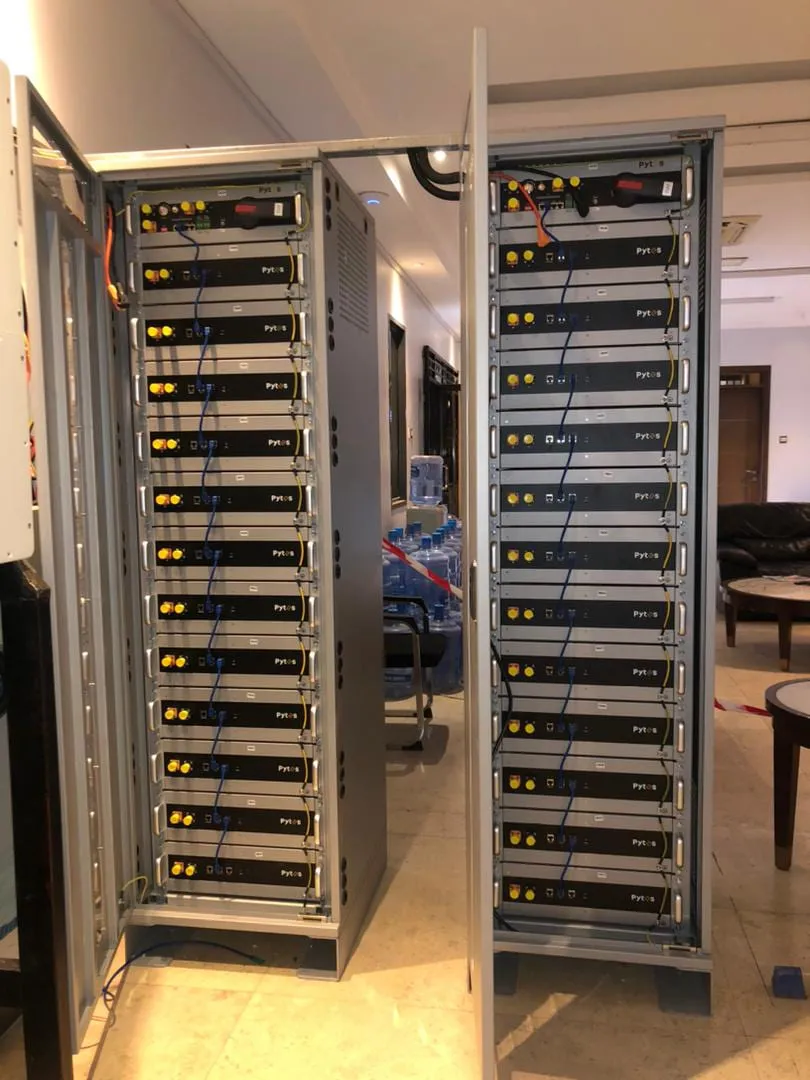
For demanding commercial environments, the system supports reliable operation under high ambient temperatures and daily cycling. Its cabinet-based structure helps EPC contractors manage installation, expansion, and maintenance with a clear system layout.
A repeatable model for challenging grids
The Good Living Apartment project shows how commercial solar-plus-storage can become a practical answer to unreliable grid infrastructure. It does not simply add batteries as backup. It creates a coordinated hybrid system that uses solar energy, storage, and inverters as the main energy platform.
For EPCs, distributors, and project developers across emerging markets, the project is a strong reference for apartment complexes, commercial buildings, industrial sites, and hybrid solar applications where energy reliability is central to business continuity.